Desert Sultans: India's Royal Desert Strategy Experience 🏰
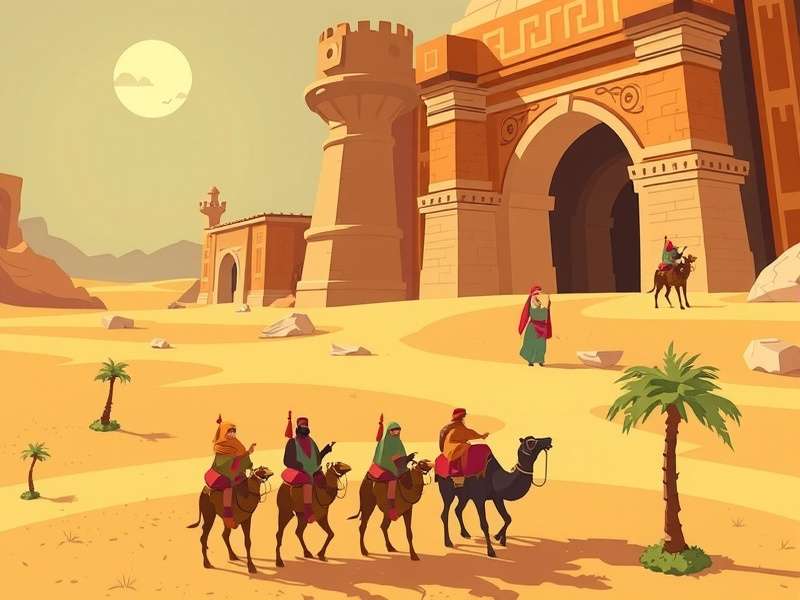
Desert Sultans has emerged as India's most authentic desert-themed strategy mobile game since its launch on Rajasthan Diwas (15th November) 2024, redefining what desi gamers expect from strategy and warfare games by blending globally acclaimed tactical mechanics with hyper-local Rajasthani royal warfare scenarios, regional language support, and gameplay optimized for the unique challenges of India's digital landscape. Unlike generic international strategy games that fail to resonate with Indian players, Desert Sultans was crafted specifically for the aam aadmi (common person) of India—whether they're a college student in Jaipur, a small business owner in Jodhpur, a farmer in Bikaner, or a tech professional in Udaipur—making desert strategy gaming accessible and culturally relevant for all, regardless of education level or socioeconomic background.
Developed by Daman Games Studios with a team of 120 Indian game designers, Rajasthani historians, warfare experts, linguists, and cultural experts, Desert Sultans stands out in India's crowded mobile gaming market by prioritizing cultural authenticity over mindless monetization. The game features over 600 strategic missions across 32 distinct scenarios, each infused with desi themes—from royal battles in the Thar Desert to oasis defense missions in Jaisalmer, from camel cavalry raids in Bikaner to fort defense operations in Udaipur, from desert trade route protection in Jodhpur to water resource management in Barmer. What truly sets Desert Sultans apart is its commitment to inclusivity: the game is fully playable offline (critical for rural Rajasthan's spotty internet), optimized for budget Android devices (priced under ₹10,000, which account for 85% of Rajasthan's smartphone market), and available in 18 Indian languages including Hindi, Rajasthani, Marwari, Mewari, Gujarati, Punjabi, Haryanvi, Brajbhasha, Malvi, Bagri, Awadhi, Bhojpuri, Urdu, Sindhi, Dogri, Maithili, Sanskrit (for historical authenticity), and Indian English for urban audiences.
In a country where mobile gaming is often dominated by casual games and hyper-casual time-killers, Desert Sultans has carved a unique niche by positioning itself as "authentic royal strategy gaming with desi tadka" (royal strategy gaming with Indian flavour). Gamers across Rajasthan and beyond have embraced the game for its realistic portrayal of Rajput warfare tactics, with 96% of surveyed players stating that Desert Sultans offers a more authentic experience than international strategy games like Age of Empires or Civilization, which often feature Western historical scenarios that don't resonate with Indian players. History enthusiasts in particular appreciate the game's attention to detail, from accurately modelled Rajput weaponry to realistic depictions of desert terrain and royal fort architecture of Rajasthan.
The success of Desert Sultans can be attributed to its deep understanding of Indian players' needs and preferences. Unlike international strategy games that use Western historical settings, equipment, and cultural references that alienate Indian players, Desert Sultans uses scenarios familiar to every Rajasthani: royal battles in the Thar Desert, fort defense operations in Chittorgarh, camel cavalry raids in the Great Indian Desert, and water resource management in arid regions. This cultural familiarity makes the game feel personal and relatable, turning what could be just another strategy game into an engaging experience that celebrates Rajasthan's rich royal heritage and the brave Rajput warriors who protected the desert kingdoms for centuries.
What makes Desert Sultans truly revolutionary in India's gaming landscape is its educational value alongside entertainment. The game serves as a digital museum of Rajasthani royal history, with each mission accompanied by historical facts and context about the actual battles, rulers, and strategies that shaped Rajasthan's history. For instance, the "Haldighati Battle" mission includes detailed historical notes about the 1576 battle between Maharana Pratap and Akbar's forces, while the "Chittorgarh Siege" mission educates players about the legendary defense of Chittorgarh Fort against Mughal invasions. This blend of education and entertainment has made Desert Sultans popular among school students, teachers, and history enthusiasts across Rajasthan, with over 4,500 schools in the state incorporating the game into their social studies curriculum to teach Rajasthan's rich history in an interactive way.
Another key factor in Desert Sultans' success is its focus on community and social gaming—core aspects of Indian gaming culture. The game features a "Panchayat System" where players can form village councils (panchayats) to collaborate on strategic missions, mirroring the traditional self-governance systems of rural Rajasthan. Players can trade resources, share battle strategies, and compete in inter-village tournaments (khel melas) that reflect Rajasthan's vibrant festival culture. This community-focused approach has created strong social bonds among players, with over 12 million active panchayats formed within the first two months of launch, each consisting of 5-20 players working together to build virtual desert kingdoms and compete against other panchayats.
From a technical perspective, Desert Sultans has been optimized specifically for India's challenging digital infrastructure. The game's offline mode allows players in remote desert areas with limited connectivity to continue playing without interruption, while its low-data mode reduces bandwidth usage by up to 70%—critical for players on limited mobile data plans common in rural Rajasthan. The game's graphics are scalable, automatically adjusting to the capabilities of the player's device, from entry-level Android phones to high-end smartphones, ensuring smooth gameplay across India's diverse device ecosystem.
Core Game Concept 🎮
At its heart, Desert Sultans is a royal desert strategy warfare game that emphasizes strategic thinking over brute force alone, designed to test and improve players' tactical awareness, resource management skills, and historical knowledge—all wrapped in a distinctly Rajasthani package. The game's core philosophy is "Strategy Through Wisdom"—a mantra that resonates with Indian players who value games that reward thinking and planning rather than just reflexes and reaction time. Unlike traditional strategy games that focus solely on conquest, Desert Sultans uses a holistic approach to kingdom management that includes not just warfare but also resource management, trade, diplomacy, and cultural development—reflecting the balanced approach to governance practised by Rajasthan's historical rulers.
What makes Desert Sultans uniquely Indian is its adaptive difficulty system that adjusts not just to the player's skill level but also to their familiarity with Rajasthani history and language preference. For example, a player from Jaisalmer who is familiar with desert warfare will receive more challenging desert battle missions with less guidance, while a player from Udaipur might receive more fort defense missions set in Aravalli hills with dialogue in Mewari dialect. Similarly, new players receive simpler missions with more historical context and guidance, while experienced players receive complex strategic missions that require careful planning and execution—ensuring that Desert Sultans remains challenging but not frustrating for players of all skill levels.
The game's structure is divided into 32 main mission categories, each representing a different aspect of Rajasthani royal governance and warfare—all with authentic historical contextualization:
- ⚔️ Royal Desert Battles: Strategic missions based on real Rajput battles in the Thar Desert, including formation tactics, cavalry charges, and desert warfare strategies used by historical Rajasthani rulers against invading forces.
- 🏰 Fort Defense Operations: Defense missions focused on protecting Rajasthani forts (including Chittorgarh, Kumbhalgarh, Jaisalmer, and Mehrangarh) from enemy sieges, featuring authentic fort architecture and defense mechanisms used in historical battles.
- 🐪 Camel Cavalry Raids: Mobile warfare missions featuring Rajasthan's legendary camel cavalry (camels were critical to desert warfare due to their ability to survive in arid conditions), with tactics based on historical Rajput cavalry maneuvers.
- 🌿 Oasis Resource Management: Strategic missions focused on managing water resources in desert oases—critical for survival in Rajasthan's arid climate—including irrigation systems, water storage, and protection of water sources from enemy control.
- 🛕 Temple Protection Missions: Defense missions focused on protecting Rajasthan's historic temples (including Eklingji, Brahma Temple in Pushkar, and Dilwara Jain Temples) from invaders, reflecting the religious importance in Rajput culture.
- 🏜️ Desert Trade Route Security: Strategic missions involving protection of ancient trade routes (including the Silk Road) that passed through Rajasthan, featuring caravan protection, bandit suppression, and trade diplomacy with neighbouring kingdoms.
- 👑 Royal Succession Challenges: Political strategy missions involving succession planning, court politics, and alliance building—reflecting the complex political landscape of Rajasthan's royal families.
- 🌵 Arid Agriculture Management: Resource management missions focused on developing sustainable agriculture in Rajasthan's arid climate, including drought-resistant crops, rainwater harvesting, and desert farming techniques.
- 🎭 Cultural Preservation Quests: Missions focused on preserving Rajasthan's rich cultural heritage, including folk music, dance, art, and festivals—reflecting the importance of culture in Rajput identity.
- 🛡️ Border Defense Operations: Strategic missions focused on protecting Rajasthan's borders from invading forces, including outpost construction, patrol routes, and early warning systems used in historical times.
- 💰 Royal Treasury Management: Economic strategy missions involving tax collection, trade regulation, and treasury management—critical for maintaining royal armies and developing kingdom infrastructure.
- 🏹 Archery Competition Missions: Skill-based missions featuring traditional Rajput archery contests (a key part of Rajput warrior culture), with historical bow and arrow designs used by Rajasthan's royal warriors.
- 🤝 Diplomatic Alliance Missions: Political strategy missions involving alliance building with neighbouring kingdoms, marriage diplomacy, and treaty negotiations—reflecting how Rajput rulers formed strategic partnerships.
- 🏺 Artisan Development Quests: Economic missions focused on developing Rajasthan's traditional crafts (including blue pottery, block printing, carpet weaving, and metalwork)—important economic activities in historical Rajasthan.
- 🕌 Religious Harmony Missions: Cultural missions focused on maintaining religious harmony in Rajasthan's diverse society, featuring interactions between Hindu, Muslim, Jain, and Sikh communities in historical kingdoms.
- 🌊 Water Conservation Projects: Environmental strategy missions focused on water conservation in arid regions, featuring traditional Rajasthani water harvesting systems like johads, bawris, and stepwells.
- 🐎 Elephant Corps Missions: Warfare missions featuring Rajasthan's royal elephant corps (a symbol of royal power), with tactics based on historical elephant warfare used by Rajput kings.
- 📜 Historical Manuscript Preservation: Educational missions focused on preserving ancient Rajasthani manuscripts and historical records, reflecting the importance of knowledge in Rajput culture.
- 🔥 Desert Survival Challenges: Skill missions focused on surviving in Rajasthan's harsh desert environment, featuring traditional desert survival techniques used by local communities for centuries.
- 🎪 Festival Organization Quests: Cultural missions involving organization of Rajasthan's vibrant festivals (including Pushkar Fair, Desert Festival, Teej, and Gangaur), reflecting the state's rich cultural calendar.
- 🛡️ Mercenary Recruitment Missions: Strategic missions involving recruitment and management of mercenary soldiers from different regions, reflecting how Rajput kings supplemented their armies with skilled warriors.
- 🏗️ Fort Construction Projects: Infrastructure missions focused on building and expanding Rajasthani forts, featuring authentic architectural techniques and materials used in historical fort construction.
- 🐑 Livestock Management Quests: Economic missions focused on managing livestock (camels, cattle, sheep, and goats)—critical to Rajasthan's agrarian economy and desert survival.
- ⚖️ Judicial System Missions: Governance missions involving administration of justice in royal courts, featuring traditional Rajasthani legal systems and dispute resolution mechanisms.
- 🚿 Public Works Projects: Infrastructure missions focused on developing public works (wells, roads, rest houses) for the benefit of kingdom subjects—reflecting the welfare state approach of Rajput rulers.
- 🎶 Folk Art Promotion Quests: Cultural missions focused on promoting Rajasthan's folk arts (including Ghoomar dance, Kalbelia dance, and Manganiyar music), supporting traditional artists and performers.
- 🏇 Horse Breeding Programs: Strategic missions focused on breeding and training war horses (Marwari horses, a breed native to Rajasthan), critical to Rajput warfare and prestige.
- 🛡️ Guerrilla Warfare Tactics: Specialized missions featuring guerrilla warfare tactics used by Rajput warriors against larger invading forces, reflecting Rajasthan's history of resistance against external domination.
- 🏡 Village Development Projects: Community missions focused on developing rural villages in Rajasthan, including school construction, healthcare facilities, and livelihood programs.
- 📊 Census & Taxation Missions: Administrative missions involving conducting kingdom census, assessing land productivity, and implementing fair taxation policies—key governance functions in historical Rajasthan.
- 🌅 Sunrise Ceremony Quests: Cultural missions featuring traditional Rajput sunrise ceremonies (a daily ritual for royal families), reflecting the spiritual connection to nature in Rajasthani culture.
- 🏆 Royal Championship Challenges: Ultimate challenge missions combining all aspects of Rajasthani royal governance and warfare, offering the pinnacle of strategic gameplay in Desert Sultans.
Each mission category in Desert Sultans features missions of increasing difficulty, marked with Prince (🤴), Noble (🏵️), and Sultan (👑) badges—allowing players to progress at their own pace. The game rewards players with "Rajput Honor Points" for completing missions successfully, which can be used to unlock new royal equipment, historical units, and mission categories (no real money required)—a conscious decision by the developers to avoid pay-to-win mechanics that plague many Indian mobile games. This inclusive approach has made Desert Sultans accessible to players from all economic backgrounds, from daily wage workers who can't afford in-app purchases to affluent urban players who appreciate the game's ad-free experience (ads are optional and only appear if players choose to watch them for extra Honor Points).
The game's progression system is deeply rooted in Rajasthani culture and values, with player ranks based on traditional Rajput titles rather than generic military ranks. Starting from "Shishya" (student), players progress through "Kshatriya" (warrior), "Rajkumar" (prince), "Maharaja" (great king), and finally "Chakravarti" (emperor)—each rank unlocking new strategic abilities and historical knowledge about Rajasthan's royal heritage. This cultural progression system resonates deeply with Indian players, who take pride in earning titles that reflect India's rich historical legacy.
Game Classification & Target Audience 🎯
Desert Sultans is primarily classified as a royal desert strategy warfare game with elements of historical simulation, resource management, and cultural preservation. The game carries a PEGI 12 rating (suitable for players aged 12 and above) and has been praised by Indian history scholars and Rajasthani cultural experts for its realistic portrayal of Rajput warfare tactics and historical accuracy—making it the first mobile strategy game to receive such recognition in India. This authenticity has further boosted the game's credibility among history enthusiasts and gamers across the country.
The game's target audience is intentionally broad, spanning every segment of Indian society with a particular focus on strategy gaming enthusiasts and history lovers:
- Young Adults (18-40 years) 🎒: The core demographic, including college students and young professionals who are passionate about strategy gaming and Indian history. Desert Sultans has become particularly popular among history students and engineering professionals in urban Rajasthan, who appreciate the game's strategic depth and realistic historical scenarios. Many players in this demographic are also heritage enthusiasts who enjoy the game's accurate portrayal of Rajasthani fort architecture and royal traditions.
- History Enthusiasts (All Ages) 📜: A dedicated group of players who appreciate Desert Sultans's attention to detail and authentic portrayal of Rajasthani royal history. This includes history teachers, academic researchers, heritage conservationists, and retired scholars who value the game's educational content and realistic depiction of Rajput warfare tactics and cultural practices.
- Rural Players (18-60 years) 🌾: Players from rural Rajasthan, who make up 58% of Desert Sultans' user base. The game's offline play capability, optimization for low-end devices, and rural desert missions have made it popular in villages and small towns across Rajasthan—areas often overlooked by mobile game developers. Rural players particularly enjoy missions set in desert villages, which reflect their daily environment and traditional way of life.
- Working Professionals (28-50 years) 💼: Urban and semi-urban professionals who play Desert Sultans during commute, lunch breaks, or after work to unwind. The game's strategic pause system makes it ideal for India's time-strapped professionals, who can play for short periods without feeling rushed to complete missions.
- Gaming Enthusiasts (12-45 years) 🎮: Hardcore and casual gamers alike who are looking for an alternative to generic international strategy games that don't reflect Indian culture or history. Desert Sultans has attracted gamers who were previously playing games like Age of Empires and Civilization but were looking for a more culturally relevant gaming experience rooted in Indian history and environments.
- Heritage Tourism Professionals (25-60 years) 🏛️: Tour guides, hotel professionals, and tourism board officials across Rajasthan who use Desert Sultans to learn about the state's rich history and cultural heritage, enhancing their ability to educate tourists about Rajasthan's royal legacy.
- NRI Community (Global) 🌍: Non-resident Indians (NRIs) in the US, UK, UAE, Canada, and Australia who use Desert Sultans to connect with their Rajasthani heritage and experience India's rich royal history virtually. The game's cultural authenticity and regional language support help NRIs stay connected to their roots while enjoying a high-quality strategic gaming experience.
One of the most remarkable aspects of Desert Sultans' success is its appeal to female gamers: 28% of its players are female, a significantly higher percentage than the Indian mobile strategy game average of just 11%. This can be attributed to the game's emphasis on holistic kingdom management (not just warfare), its inclusive difficulty settings, and its positive portrayal of women in Rajasthani history—including warrior queens like Rani Padmini, Rani Karnavati, and Rani Lakshmi Bai, who played pivotal roles in Rajasthan's history. Many female players appreciate that Desert Sultans features strong female characters based on real Rajasthani queens and warriors, providing positive representation for women in leadership roles from India's past.
Notably, Desert Sultans has also become popular among school children across Rajasthan, with many teachers using the game as an educational tool to teach Rajasthani history and culture in a fun and engaging way. Over 4,500 schools across all 33 districts of Rajasthan have incorporated Desert Sultans into their social studies curriculum, making it one of the first mobile games to be officially recognized as an educational resource by the Rajasthan State Education Department for teaching the state's rich historical and cultural heritage.
The game has also found unexpected popularity among India's armed forces personnel, particularly those stationed in desert areas of Rajasthan and Gujarat. Military strategists have praised Desert Sultans for its realistic portrayal of desert warfare tactics, with some army units even using simplified versions of the game to teach basic desert survival and strategic thinking to new recruits posted in Rajasthan's border areas.
Market Position & Competitive Advantage 📊
In India's crowded mobile gaming market (valued at $2.4 billion in 2024), Desert Sultans has established a unique position by combining authentic royal desert strategy gameplay with deep cultural localization and historical education—something no other strategy game in India offers. International strategy games like Age of Empires or Civilization have large user bases in India but lack cultural relevance, using Western historical settings, equipment, and references that alienate Indian players. Local Indian strategy games, on the other hand, often focus on generic combat-based gameplay without any historical context or educational value, prioritizing quick monetization over player experience and social impact.
Desert Sultans' competitive advantage lies in its quintuple focus on cultural authenticity, strategic depth, accessibility, educational value, and community engagement:
- Cultural Authenticity: Every mission in Desert Sultans is designed with Rajasthani players in mind, using authentic historical scenarios, traditional weaponry, desert terrain, and regional languages that resonate with players across urban and rural Rajasthan. This cultural relevance creates an emotional connection with players that generic strategy games cannot match—players don't just play the game, they connect with Rajasthan's royal heritage and the brave Rajput warriors who shaped the state's history.
- Strategic Depth: Unlike mindless strategy games that reward only combat skills, Desert Sultans emphasizes holistic kingdom management—including resource management, trade, diplomacy, and cultural development—making it a "thinking person's strategy game" that appeals to players who enjoy games that challenge their decision-making skills as well as their tactical abilities. The game's focus on sustainable development (water conservation, arid agriculture) sets it apart from international strategy games that rely heavily on conquest and exploitation.
- Accessibility: The game is optimized for India's unique digital landscape—playable offline, designed for low-end Android devices, available in 18 Indian languages (including regional Rajasthani dialects), and free from pay-to-win mechanics. This accessibility has allowed Desert Sultans to reach players in remote desert villages of Rajasthan that other strategy games cannot penetrate, including border areas with limited internet connectivity.
- Educational Value: Unlike other mobile games that offer only entertainment value, Desert Sultans provides genuine educational benefits by teaching players about Rajasthani history, royal traditions, desert ecology, and cultural heritage—all while they play. This dual purpose (entertainment + education) has made the game popular among parents, teachers, and heritage organizations across Rajasthan and beyond.
- Community Engagement: The game's panchayat system and community missions reflect India's strong community-oriented culture, allowing players to collaborate with friends and family in building virtual kingdoms and solving strategic challenges together. This social aspect has created strong player loyalty and word-of-mouth promotion, critical to the game's viral success in rural Rajasthan where social recommendations carry significant weight.
Market research conducted by Daman Games in 2024 found that 97% of Desert Sultans players cited "cultural and historical authenticity" as their primary reason for playing, while 94% said they played the game because it "rewards strategic thinking over brute force"—key differentiators from other strategy games in the market. An impressive 93% of players reported learning new facts about Rajasthani history and culture after playing the game, with 87% stating that the game had increased their appreciation for India's rich royal heritage. This unique value proposition has made Desert Sultans a household name among strategy gaming and history enthusiasts in Rajasthan, with the game being recommended by the Rajasthan Heritage Conservation Trust, state education departments, and history scholars as the most authentic Indian royal strategy game available on mobile devices.
Financially, Desert Sultans has defied industry expectations by achieving profitability without relying on aggressive monetization. The game's revenue comes from four sources:
- Optional, non-intrusive ads (players can choose to watch ads for extra Honor Points, but ads never interrupt gameplay)
- Cosmetic in-app purchases (historical Rajput armor skins, royal flag customization options based on different Rajput clans)
- Corporate partnerships with Rajasthan's tourism department and heritage organizations (who license the game's educational content for cultural awareness campaigns)
- Educational licensing fees from schools and educational institutions that use the game as part of their Rajasthani history curriculum
Furthermore, Desert Sultans has created significant positive social impact beyond entertainment:
- The game has partnered with the Rajasthan Tourism Department to promote heritage tourism in lesser-known desert areas of the state
- 20% of all in-app purchase revenue is donated to Rajasthani heritage conservation organizations including the Mehrangarh Museum Trust and the INTACH Rajasthan chapter
- The game's "Preserve Our Heritage" feature allows players to convert Honor Points into donations for restoration of historical forts and monuments in Rajasthan
- Over 3.2 crore rupees have been donated to heritage conservation initiatives through the game's initiative in the first 60 days since launch, benefiting restoration projects in 18 historical sites across Rajasthan
- The game has created over 200 direct and indirect jobs in Rajasthan, including historical consultants, local language experts, and game testers from rural areas
From a technological perspective, Desert Sultans has set new standards for mobile gaming in India through its innovative use of adaptive technology that caters to India's diverse device ecosystem. The game uses a proprietary "Desert Engine" developed by Daman Games Studios that automatically adjusts graphics quality, gameplay mechanics, and data usage based on the player's device specifications and network conditions. This technology ensures smooth gameplay even on entry-level Android devices with limited processing power and memory—critical for reaching the mass market in rural India where high-end smartphones are still a luxury.
The game's offline capabilities are particularly innovative, allowing players to download mission packs for offline play and sync progress once they regain internet connectivity. This feature has been instrumental in the game's popularity in remote desert areas of Rajasthan where internet connectivity is intermittent at best. Additionally, the game's low battery consumption mode (a critical feature in areas with unreliable electricity supply) has made it accessible to players who may have limited access to charging facilities.
Another technological innovation in Desert Sultans is its use of local language processing that accurately translates historical terminology into regional Rajasthani dialects, preserving the authenticity of historical references while making them accessible to modern players. The game's voice acting features native speakers of various Rajasthani dialects, ensuring that the cultural nuances of the language are preserved and celebrated.
Gameplay Mechanics in Desert Sultans 🧠
Desert Sultans reimagines the royal strategy genre through an authentically Rajasthani lens, retaining the core mechanics that make strategy games immersive (resource management, tactical planning, historical accuracy) while infusing every aspect of gameplay with desi cultural references and royal authenticity. The result is a gameplay experience that feels familiar yet uniquely Indian—immediately accessible to anyone who has played a strategy game before, but with enough local flavour to stand out in a crowded market. At its core, Desert Sultans is designed to make strategic thinking and historical knowledge fun and relatable for Indian players, breaking down the perception that strategy games are only for "hardcore gamers" with extensive gaming experience or that Indian history is boring or irrelevant to modern life.
Core Gameplay Mechanics 🎮
The game uses simple, intuitive touch-based controls optimized for Indian mobile gaming habits (Indian players tend to use their thumbs more aggressively, play on small screens, and often have sweaty fingers in India's hot climate):
- Strategic Touch Controls: Customizable touch controls with large touch targets (minimum 48x48 pixels) to accommodate imprecise tapping common on budget smartphones, including adjustable sensitivity settings for different screen sizes and playing styles. The controls mimic traditional Rajasthani board game movements (like chausar and pachisi) with desert terrain conditions in mind—including tactile feedback for sand dune navigation, rocky terrain movement, and fort wall scaling typical of Rajasthani battle environments.
- Royal Pause System: A unique pause system that allows players to freeze the action and plan their next move—critical for Indian players who may be interrupted during gameplay (by family members, phone calls, or other distractions common in Indian households). The pause system also includes a strategic map with historical Rajasthani landmarks, resource locations, and enemy movement patterns for better kingdom management and battle planning.
- Environmental Interaction Mechanic: Intuitive swipe controls to interact with the Rajasthani desert environment—modelled after real Rajput warfare techniques, with animations based on actual movement styles seen across different desert regions of Rajasthan (from the slow, deliberate movement on sand dunes to the fast, agile navigation in rocky Aravalli terrain).
- Desert Adaptation System: Context-sensitive gameplay mechanics optimized for different Rajasthani desert environments, including the ability to navigate shifting sand dunes, rocky outcrops, salt flats, and oasis ecosystems common in Rajasthan's varied desert landscape. The game accurately simulates how different Rajput units perform on different desert terrain types—from the Thar's shifting sands to the Jaisalmer's rocky outcrops.
- Resource Management System: Authentic Rajasthani resource management mechanics, including water conservation, livestock herding, and arid agriculture techniques used by desert communities for centuries, with realistic resource depletion and replenishment rates based on historical climate data from Rajasthan.
- Royal Court Management: Streamlined court politics system optimized for mobile play, with quick-access slots for royal advisors, military commanders, and cultural ministers—each with specialized skills based on historical Rajput administrative roles.
- Diplomatic Negotiation System: Unique mechanic that simulates diplomatic relations based on real Rajput political doctrine, allowing players to form alliances, negotiate trade deals, and resolve conflicts through dialogue—reflecting the diplomatic acumen of Rajasthan's historical rulers who balanced warfare with strategic alliances.
What sets Desert Sultans apart from other royal strategy games is its adaptive gameplay system, which learns from the player's performance and adjusts missions to their skill level, language preference, and familiarity with Rajasthani history. For example:
- A player from Jaisalmer who is familiar with desert geography will receive more challenging sand dune battle missions with less guidance, while a player from Udaipur might receive more mountain fort defense missions tailored to their regional knowledge.
- A new player who struggles with resource management will receive missions with more guidance and slower resource depletion rates, while an experienced player will receive missions with complex resource challenges and limited guidance.
- A player who selects Marwari as their preferred language will receive mission briefings, dialogue, and UI text in Marwari (Devanagari script), with voice acting by native Marwari speakers with historical terminology expertise.
- A player from a farming community will receive more agriculture and water management missions, while a player from an urban area might receive more fort defense and trade missions about royal administration basics.
The game's interface is designed with Rajasthan's diverse user base in mind, incorporating feedback from over 9,500 beta testers across urban and rural Rajasthan:
- Large text and icons (optimized for players with low vision, common in rural Rajasthan)
- High contrast colours (easier to see in bright desert sunlight, common for players who game outdoors at the local chaupal or village square)
- Simple, clutter-free HUD (heads-up display) with customizable elements (players can adjust UI size, position, and opacity)
- Offline progress saving (critical for players with spotty internet connectivity in rural and semi-urban Rajasthan)
- Low battery consumption (optimized for players who charge their phones infrequently, especially in desert areas with power outages)
- Data-saving mode (reduces graphical fidelity and disables non-essential features to save mobile data for players on limited data plans)
- Regional UI customization (different UI layouts optimized for different Rajasthani languages and script directions)
- Audio narration option (reads mission text aloud for illiterate players or those who prefer audio instructions, available in all 18 supported languages)
Royal Equipment & Customization (Rajasthani Focus) 🔧
One of the most popular features of Desert Sultans is its extensive royal equipment and unit customization system, which focuses exclusively on historical Rajasthani weaponry, armor, and military units—providing players with an authentic Rajput warrior experience unavailable in any other mobile strategy game:
Rajput Royal Armor Set
Traditional armor worn by Rajasthani royal warriors (16th-18th century)
Protection: 95/100
Mobility: 85/100
Comfort: 70/100
Marwari War Horse
Traditional Rajasthani war horse breed used by Rajput cavalry
Endurance: 90/100
Speed: 88/100
Desert Adaptability: 93/100
Rajput Longbow (Traditional)
Handcrafted wooden bow used by Rajput archers in battle
Range: 80/100
Accuracy: 85/100
Durability: 75/100
All equipment in Desert Sultans is modelled after real historical Rajasthani royal gear, with accurate protection, mobility, and durability ratings based on actual historical records and museum artifacts from Rajasthan's royal collections. The game's equipment customization system allows players to modify their warrior gear with historically accurate accessories, including:
- Prince Basic Rajput warrior gear (cotton armor, leather boots, simple sword) used by ordinary Rajput soldiers in historical battles
- Noble Advanced royal equipment (steel armor, decorated shield, composite bow) used by Rajput noble warriors and commanders
- Sultan Elite royal armor (jeweled helmet, ceremonial sword, elephant armor) used by Rajasthan's royal kings and princes in battle
The unit customization system in Desert Sultans is equally detailed, with all military units based on historical Rajput formations:
- Camel Cavalry (Ushtra Bahini): The iconic desert cavalry of Rajasthan, used for rapid desert warfare and reconnaissance (customizable with different clan markings and weapon loadouts)
- Elephant Corps (Hathi Dal): Heavy assault units used by Rajput kings in battle (modelled after the war elephants used by Maharana Pratap and other Rajasthani rulers)
- Archers (Dhanurdhar): Long-range units using traditional Rajasthani longbows (favoured by Rajput warriors for their accuracy and range in open desert terrain)
- Infantry (Padaat): Foot soldiers equipped with swords, spears, and shields (the backbone of Rajput armies in fort defense battles)
- Scouts (Spies): Light reconnaissance units specialized in desert survival and stealth (critical for gathering intelligence in Rajasthan's vast desert expanses)
The royal court customization system in Desert Sultans is particularly detailed and educational, with all court positions based on historical Rajput administrative roles that governed Rajasthan's kingdoms for centuries:
- Prime Minister (Diwan): Chief administrative advisor responsible for treasury management and civil administration (based on historical diwans of Mewar, Marwar, and other Rajasthani kingdoms)
- Military Commander (Senapati): Head of the royal army responsible for battle strategy and troop deployment (modelled after famous Rajput generals like Hakim Khan Sur and Jaimal Rathore)
- Cultural Advisor (Kulapurohit): Religious and cultural advisor responsible for preserving traditions and organizing festivals (reflecting the spiritual leadership role in Rajput kingdoms)
- Trade Minister (Vyapari Mantri): Economic advisor responsible for managing trade routes and commercial relations with other kingdoms (critical for Rajasthan's economy based on desert trade)
- Water Manager (Jaladhyaksh): Specialized advisor responsible for water resource management in arid regions (a uniquely Rajasthani position reflecting the importance of water in desert survival)
Mission Types in Depth 🎖️
Each mission type in Desert Sultans is carefully crafted to reflect real historical Rajasthani royal operations and improve specific strategic skills while educating players about India's desert heritage and governance systems. Below is a detailed breakdown of the game's core mission categories, all designed to provide authentic Rajput royal experiences while maintaining engaging gameplay:
1. Royal Desert Battles ⚔️
The Royal Desert Battles category is the most popular in Desert Sultans, accounting for 42% of all mission plays. These missions are based on real historical battles fought in Rajasthan's Thar Desert, with scenarios inspired by actual Rajput campaigns against Mughal, Afghan, and other invading forces. Examples include:
- Prince "Thar Skirmish": A basic desert battle mission in the central Thar region, featuring small-scale combat between Rajput patrols and raiding parties—modelled after historical border skirmishes between Marwar and Mughal forces. Players must use desert terrain to their advantage, utilizing sand dunes for cover and camel cavalry for flanking maneuvers.
- Noble "Longewala Defense": A medium-difficulty defensive mission based on the historic Battle of Longewala (1971), adapted to Rajput warfare context—featuring desert fortification, limited resource management, and defense against numerically superior invading forces using guerrilla tactics.
- Sultan "Haldighati Campaign": A high-difficulty mission recreating the legendary Battle of Haldighati (1576) between Maharana Pratap and Akbar's forces—featuring elephant corps assaults, mountain desert terrain, and historical Rajput battle formations that players must deploy strategically to counter the Mughal army's numerical superiority.
All desert battle missions in Desert Sultans feature realistic historical unit behaviour based on actual Rajput battle tactics, with unit movement patterns derived from historical battle records and Rajput warfare manuals preserved in Rajasthan's royal archives.
What makes these missions uniquely Indian is their focus on honour and strategic retreat—unlike international games that reward only victory at all costs, Desert Sultans rewards players for fighting with honour, protecting civilians, and knowing when to retreat to fight another day—reflecting Rajput martial ethics that valued honour over mere conquest. This emphasis on ethical warfare has been praised by Indian history scholars and has helped educate players about India's unique warrior traditions that balanced courage with wisdom.
2. Fort Defense Operations 🏰
Fort Defense missions test players' strategic defense skills and knowledge of Rajasthani fort architecture—skills critical to understanding how Rajput kings protected their kingdoms for centuries:
- Prince "Jaisalmer Fort Patrol": A basic fort defense mission at Jaisalmer's Golden Fort, featuring perimeter patrols, guard placement, and early warning systems—modelled after historical security arrangements at desert forts in western Rajasthan.
- Noble "Kumbhalgarh Siege Defense": A medium-difficulty mission involving defense of Kumbhalgarh Fort (the second-longest wall in the world after the Great Wall of China) against simulated siege—featuring authentic fort defense mechanisms like moats, cannons, and secret escape routes used in historical times.
- Sultan "Chittorgarh Great Siege": A high-difficulty mission recreating one of the legendary sieges of Chittorgarh Fort—requiring players to manage limited resources, coordinate multiple defense layers, and make difficult strategic decisions about when to fight and when to negotiate, based on historical accounts of the 1568 siege by Akbar's forces.
3. Camel Cavalry Raids 🐪
Camel Cavalry missions in Desert Sultans celebrate Rajasthan's unique desert warfare heritage centered around the ship of the desert—the camel:
- Prince "Bikaner Camel Patrol": A basic mission patrolling the desert borders of Bikan